
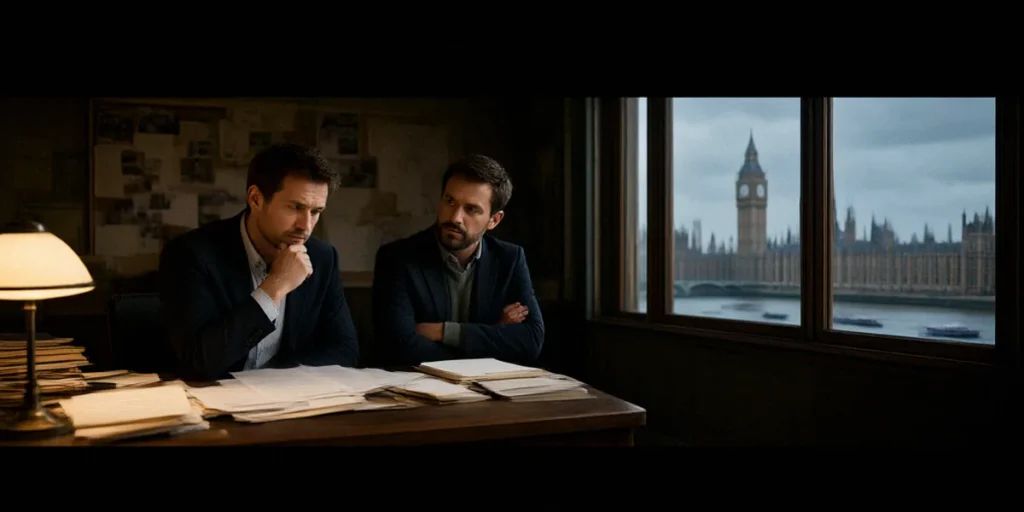
British Detective Duos Worth Rewatching: Our Team’s Picks
There’s a particular comfort in settling down with a cuppa and an old episode of Morse, or losing a weekend to a Broadchurch boxset. British detective duos have shaped our crime fiction viewing habits for decades — from the fusty libraries of Oxford to the rain-soaked streets of Glasgow — and revisiting them has become something of a national pastime. We’ve rounded up the partnerships our team keeps coming back to, and along the way we’ll explain why these pairings still matter for anyone writing crime fiction, buddy cop films, or their own story prompts.
Why British Detective Duos Stand the Test of Time
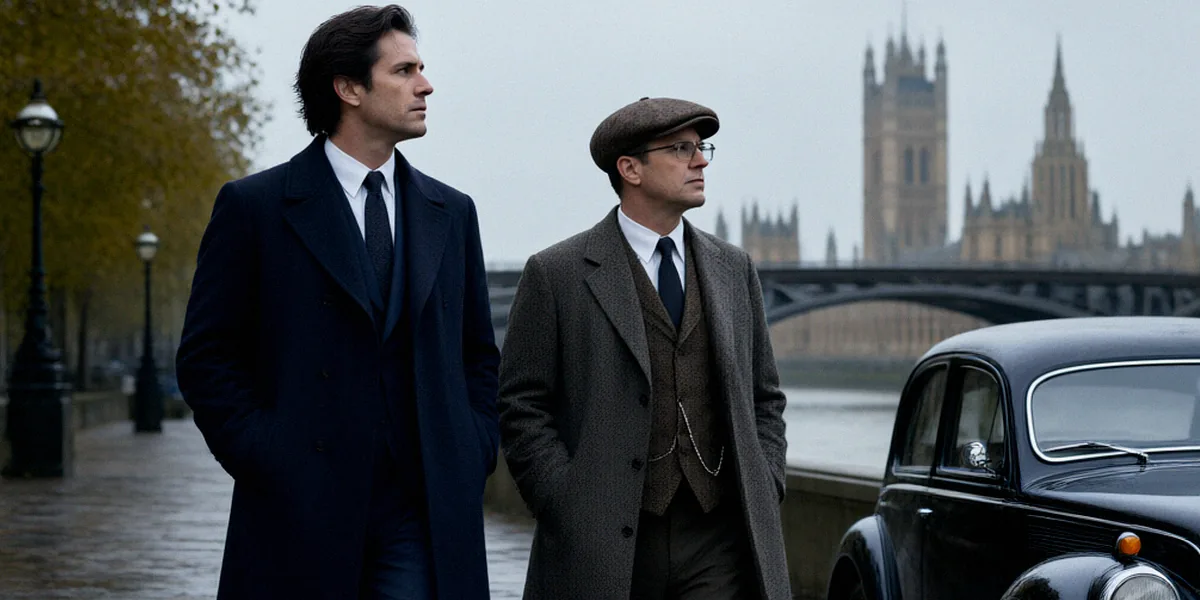
The UK has an unusually rich literary and television heritage when it comes to crime. From Arthur Conan Doyle and Agatha Christie through to the golden age of ITV detective serials, we’ve spent generations perfecting the art of the mismatched-but-brilliant investigative pairing. These duos balance intellect, banter, and British grit in a way that few other traditions manage: the deductions matter, but so does the bickering over a pint.
The Chemistry That Keeps Us Coming Back
A great detective duo is essentially a marriage without the romance — or sometimes with an awkward amount of it. The senior partner brings experience, obstinacy, and a suspiciously detailed knowledge of real ale. The junior partner brings patience, modern policing, and the occasional flash of brilliance that forces the old dog to learn a new trick. That friction is what makes a rewatch rewarding: you notice the small glances, the running jokes, the way trust builds episode by episode.
It’s also why these pairings translate so well into story prompts. If you can define what each detective wants, what they hide from each other, and what forces them to work together anyway, you’ve got the engine of a series — not just a single mystery.
From Page to Screen: The UK’s Enduring Love Affair
British crime fiction has always moved fluidly between page and screen. Novels become Sunday-night dramas; TV detectives spawn novelisations and fan fiction. This loop keeps the classics alive and gives newer series a template to push against. When we write loglines for this site, we’re often consciously borrowing that structure: one case, two incompatible people, a result neither could reach alone.
Classic Duos from the Golden Age of British Crime TV
The late 1980s and 1990s gave us some of the most durable partnerships in television history. Two in particular set the template that everything since has either followed or deliberately broken.
Morse and Lewis: Oxford’s Finest
Inspector Morse was set in Oxford and aired on ITV from 1987 to 2000, and its central relationship — the opera-loving, crossword-solving Inspector Morse and his long-suffering sidekick DS Robbie Lewis — remains one of the most imitated in British crime fiction. Morse is cultured, cantankerous, and frequently wrong about people. Lewis is grounded, decent, and quietly sharper than his boss gives him credit for. The show’s real subject isn’t murder; it’s the slow education of a younger detective by an older, flawed one.
Rewatching it now, what strikes us is how much of the drama happens in cars and pubs. The cases are clever, but the partnership is the point.
Taggart and Jardine: Glasgow’s Hard Men
Taggart was set in Glasgow and is one of the longest-running detective dramas in UK television history — a fact that still surprises people who assume Morse holds the record. DCI Jim Taggart and DS (later DI) Mike Jardine brought a distinctly Scottish, working-class grit to the genre, trading Oxford’s dreaming spires for tenement stairwells and rain-lashed crime scenes. Their partnership was less about witty badinage and more about dogged, unglamorous police work.
For anyone writing buddy cop films, Taggart is a useful corrective: not every duo needs a quip for every corpse.
Modern British Detective Duos That Redefined the Genre
The 2010s rebooted the detective duo for a global audience, often by leaning harder into the characters’ psychological damage than their case-of-the-week mechanics.
Sherlock and Watson: A 21st-Century Reboot
Sherlock, starring Benedict Cumberbatch and Martin Freeman, is a BBC series that updated Holmes and Watson for the 21st century — texts instead of telegrams, blogs instead of casebooks, and a Watson who is very much a soldier rather than a bumbling narrator. The chemistry between the two leads is the whole show: Holmes needs an audience, Watson needs a purpose, and both are quietly lonely. It’s a masterclass in how to modernise a partnership without losing what made it work in the first place.
Hardy and Miller: Broadchurch’s Unlikely Allies
Broadchurch, set in Dorset, featured David Tennant and Olivia Colman as an unlikely detective duo: DI Alec Hardy, a prickly outsider with a failing heart, and DS Ellie Miller, a local officer whose entire world is about to collapse. Their partnership is built on resentment that slowly, painfully, becomes respect. It’s a reminder that the best detective duos aren’t just contrasting personalities — they’re people whose flaws collide in ways that force growth.
Underrated British Detective Duos You Might Have Missed
Some of the finest partnerships never quite got the cultural footprint of Morse or Sherlock. These two deserve a spot on your rewatch list.
Mathias and Rhys: Hinterland’s Quiet Power
Hinterland gave us DCI Tom Mathias and DS Mared Rhys, working the bleak, beautiful landscape of Aberystwyth. Mathias is haunted and insular; Rhys is steady, local, and increasingly the moral centre of the pair. The show’s bilingual Welsh-English production adds texture that most British crime dramas can’t match, and the partnership develops with almost no exposition — just two people learning to trust each other across a series of grim cases.
Arnott and Fleming: Line of Duty’s Moral Compass
Line of Duty, a BBC series about anti-corruption unit AC-12, is set in Birmingham and London, and its central pairing of DS Steve Arnott and DI Kate Fleming is one of the most quietly influential duos of the past decade. Arnott is the obsessive proceduralist; Fleming is the one who can read a room and a suspect in equal measure. Together they embody the show’s central tension: how do you police the police without becoming what you’re hunting? The interview scenes alone are worth the rewatch.
If you’re looking for inspiration, here’s a short list of what these duos have in common:
- A clear senior/junior or rival dynamic that shifts over time
- Complementary skills — one thinks, one reads people (or vice versa)
- A shared moral code that’s tested by the cases they take on
- Running jokes, rituals, or catchphrases that make the partnership feel lived-in
- At least one secret each keeps from the other
How These Duos Inspire Our Own Story Prompts
We spend a lot of time on this site writing crime fiction story prompts and loglines, and almost all of them start from the same place: two people who shouldn’t work together, forced to solve something neither can solve alone. The British detective tradition is our richest source of that dynamic.
Crafting Dynamic Detective Partnerships
When we build a new detective duo, we ask three questions. What does each partner want that the other can’t give? What do they agree on, even when they can’t stand each other? And what’s the one case that would break the partnership if it landed on their desk? Answer those and you’ve got a pairing that can carry a series, not just a single story.
From Loglines to Full-Blown Stories
A good logline does the same job as a great first scene between two detectives: it establishes tension, character, and stakes in a single breath. Something like “A disgraced Met detective is paired with a rural Welsh sergeant to investigate a body found on the border — and the only thing they agree on is that the official story is wrong.” That’s a Morse-and-Lewis structure with a Hinterland setting, and it’s the kind of prompt our readers turn into full-blown crime fiction.
FAQ
Which British detective duo is best for a rewatch?
It depends what you’re after. For intellectual comfort viewing, Morse and Lewis is unbeatable. For grit and longevity, Taggart. For modern psychological drama, Hardy and Miller in Broadchurch. We’d argue all four reward a second viewing.
Are British detective duos different from American buddy cop films?
Broadly, yes. British duos tend to be more understated, with humour that comes from character rather than one-liners, and the cases often matter less than the relationship. American buddy cop films tend to be faster, louder, and more action-driven. Both traditions are useful when you’re writing story prompts.
How can I write my own detective duo?
Start with contrast, then add friction. Give each detective a skill the other lacks, a secret they’re hiding, and a reason they can’t simply walk away. Then drop them into a case that exploits all three.
Where can I find more crime fiction story prompts?
We publish new loglines and story prompts regularly here on theyfightcrime.net, many of them inspired by the British detective duos covered in this article. Browse the archive and pick one to develop.
Rewatching these British detective duos isn’t just nostalgia — it’s research. Every Morse-and-Lewis exchange, every Hardy-and-Miller argument, and every Arnott-and-Fleming interview scene teaches us something about how to build partnerships that feel real. Whether you’re writing crime fiction, drafting buddy cop films, or just looking for your next story prompt, the UK’s detective pairings remain the best classroom we know.